One-Day Crisis Management Workshop: ICMC West – Vancouver

Join resilience leaders in Vancouver on March 12, 2026, for ICMC West, a one-day workshop with expert insights, hands-on crisis training, and networking.

About the Event

What to Expect in Vancouver

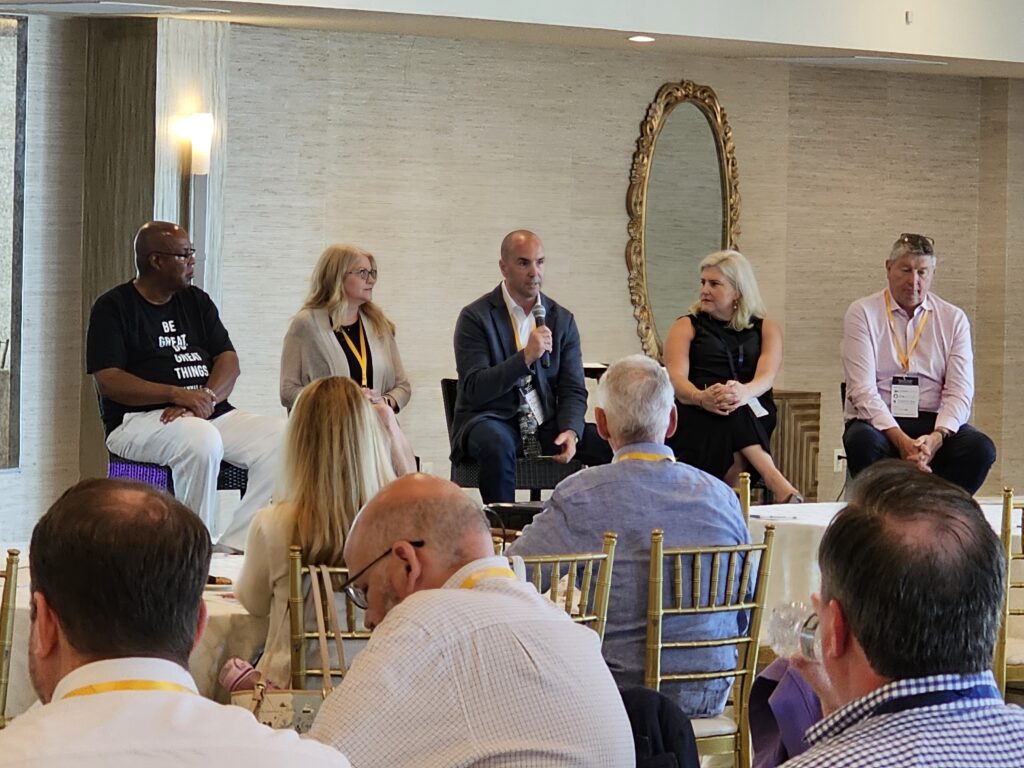
Join us for ICMC West, a premier one-day International Crisis Management Conference workshop designed to empower leaders with cutting-edge strategies for crisis management and operational resilience. This event features a mix of insightful presentations and hands-on training, followed by networking.

When:

March 12th, 2026

Where:

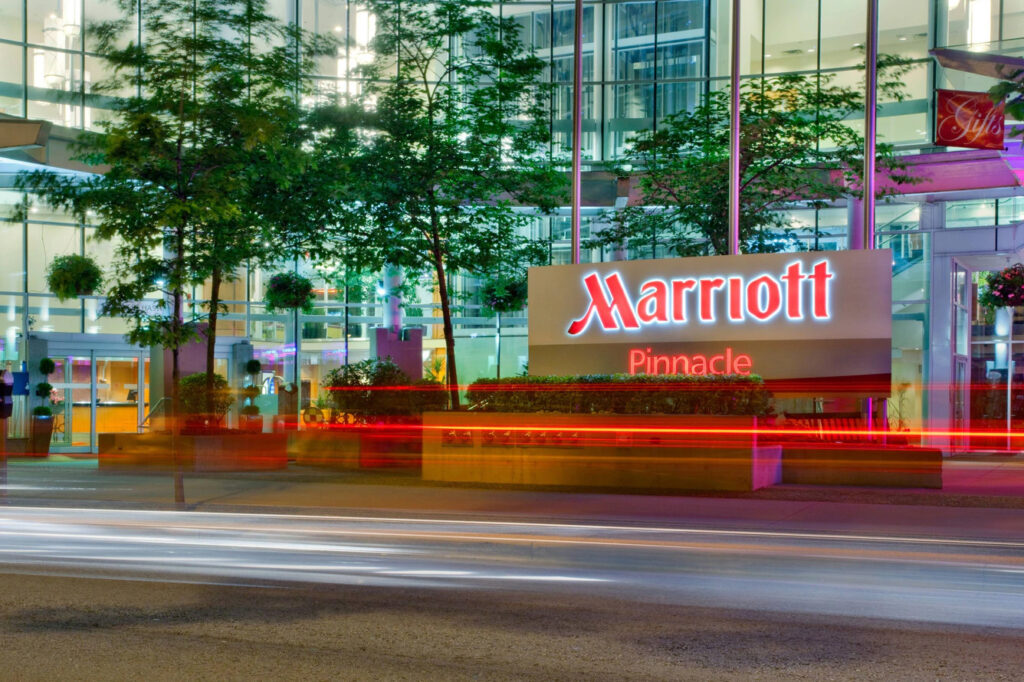
Vancouver, Canada – Marriott Pinnacle  
Agenda Highlights

Building Skills and Connections

Morning: Half-Day of Speakers

Hear from 5 industry experts on crisis and emergency management, preparedness, and emerging challenges in the resilience field. 

Afternoon: Hands-On Training

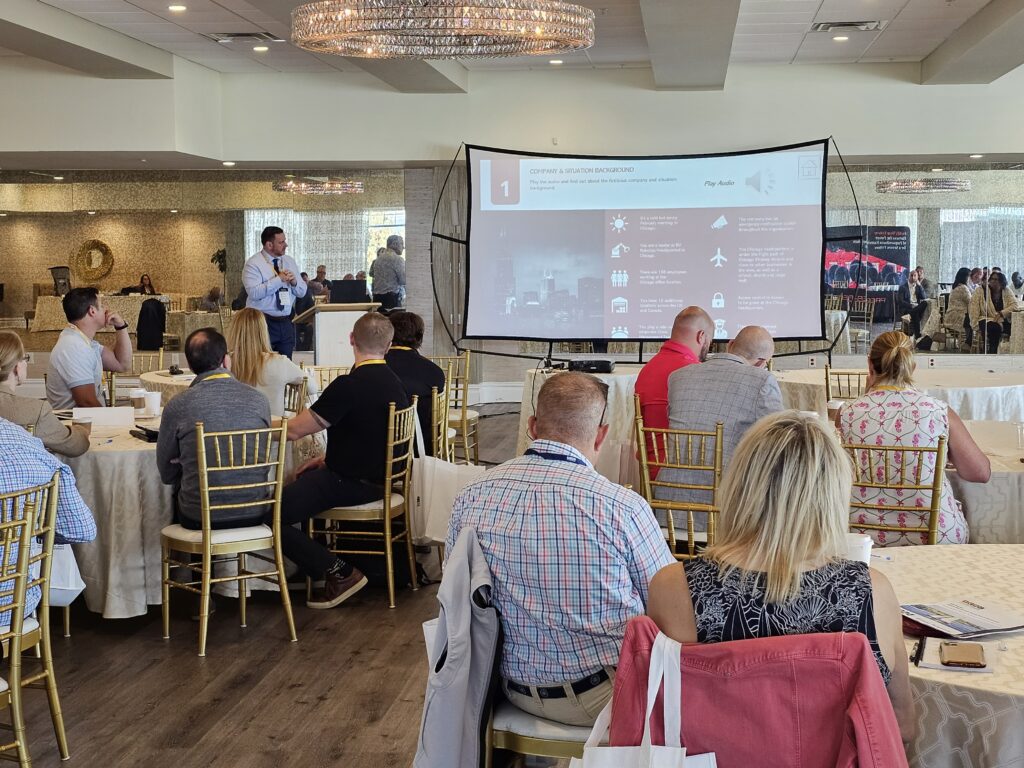
Participate in interactive tabletop exercise and training sessions designed to build practical skills for crisis response, management and recovery.

Evening: Networking Cocktail and Food

Connect with fellow professionals over cocktails and curated hors d’oeuvres.

Why Attend

Participants will leave with:

  • A clear understanding of emerging legislative and compliance landscapes in BC, Canada and globally.
  • Practical tools for site, business continuity, and supply chain resilience.
  • Strategies to strengthen communications, reputation, and stakeholder trust.
  • Leadership and team techniques to remain calm, clear, and effective under pressure.
  • Insights into inclusive, community-based approaches to emergency management.
Speakers

Featured Thought Leaders

Hear from leading voices in crisis management and resilience who bring real-world experience, innovative strategies, and practical insights to help you navigate today’s complex challenges.

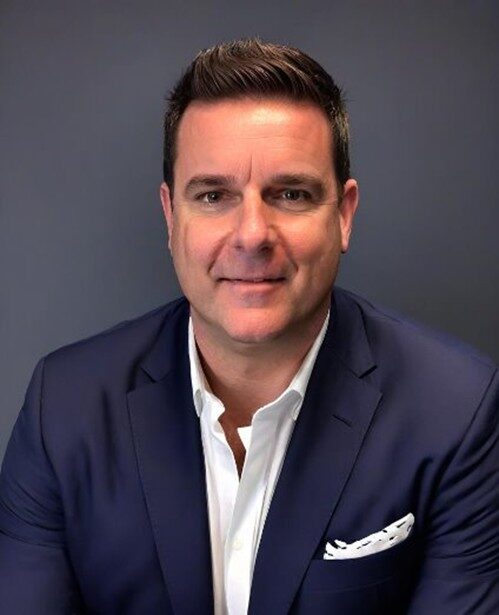
Rob Burton

Workshop Host, CEO, and Co-Founder
International Crisis Management Conference

Rob is a Principal at PreparedEx where he manages a team of crisis preparedness professionals and has over 30 years of experience preparing for and responding to crises. Part of his leadership role includes assisting PreparedEx clients in designing, implementing, and evaluating crisis, emergency, security and business continuity management programs. During his career, Rob has worked in a training capacity for the US State Department’s Anti-Terrorism Assistance Program, as a crisis management consultant in Pakistan and Afghanistan where he negotiated with the UN and Pashtun tribal warlords, and he served with the United Kingdom Special Forces where he operated under hazardous covert and confidential conditions. Rob was also part of a disciplined and prestigious unit, The Grenadier Guards, where he served Her Majesty Queen Elizabeth II at the Royal Palaces in London. Rob was a highly trained and experienced infantryman serving in Desert Storm and commanded covert operational teams and was a sniper. Rob has keynoted crisis, emergency and disaster recovery conferences and participated in live debates on national media regarding complex ISPS code maritime security requirements and terrorism. Rob has a Queen’s Commendation for Bravery. Rob founded The International Crisis Management Conference.

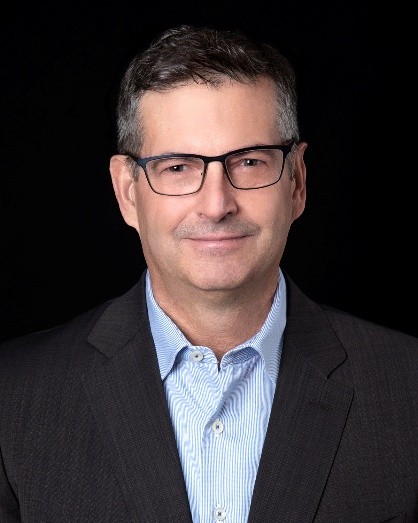
David Fox

Director (Americas) of Crisis and Security Consulting
Crisis24

Dave Fox is an accomplished global leader in crisis management, security, and investigations. He currently heads Crisis24’s global investigations practice and leads the Crisis & Security Consulting team for the Americas. Dave specializes in helping organizations navigate complex threats through a risk-based approach to crisis response, security operations, travel risk management, and business continuity.

Drawing on decades of frontline and executive experience, he strengthens client resilience by building strategic security programs, directing incident response, and mentoring teams to drive lasting organizational change. He has advised Incident and Crisis Management Teams around the world on high-stakes situations, including kidnap for ransom, threat extortion, and emergency evacuations.
Previously, Dave served as Chief Security Officer of a global energy company and spent 27 years with the Royal Canadian Mounted Police. In 2012, he was awarded the Queen’s Diamond Jubilee Medal for his leadership in a landmark national investigation into internet-facilitated child exploitation.

Approaches to Operational Risk and Supply Chain Mitigation to Minimize Business Impact in High-Stakes Environments

Organizations often place greater focus on incidents and crises at the site level as the direct impact on their people and assets is more readily apparent. Since the global pandemic and the changing geopolitical environment, supply chain implications are having an equal if not greater impact on the bottom line.

Mature security and crisis management programs include fundamental physical security components, such as; detect, deter, delay, and deny, workplace violence prevention, threat assessment and management, and insider threat management programs which adhere to or exceed regulatory requirements where mandated.

Planning for supply-chain disruptions such as strikes, blockades, civil unrest, and port closures is often an afterthought due to lack of clear ownership, KPIs, training, and exercise.

Drawing on anonymized previous case studies, this session will draw out repeatable risk reduction strategies impacting people, assets, and operations, while also highlighting how mature models provide a return on investment.

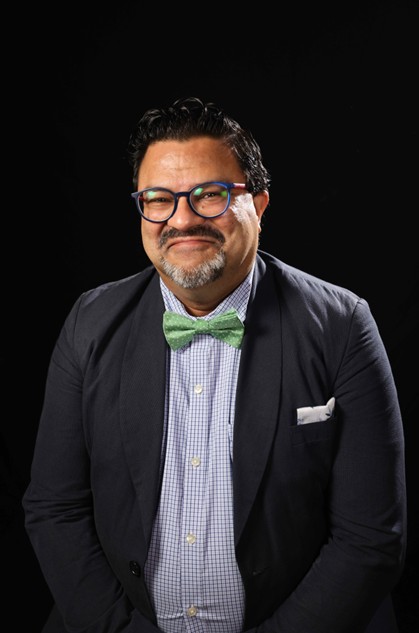
Shafiq Jamal

Principal
Jamal Communications Inc.

With over three decades of experience in the corporate sector, Shafiq has garnered extensive experience in crisis, issues, and reputational risk management. He has worked with clients on crisis planning and preparedness, tabletop exercises and scenario planning, crisis and earned media training, crisis communications strategy and execution, reputation recovery, real-time hands-on and virtual situation room support, cybersecurity issues and threats, business continuity, as well as disaster preparedness and recovery.
He has provided counsel on issues that have included data and security breaches, global disease, and virus outbreaks (including COVID-19, Ebola, Avian Flu, and SARS), real estate project opposition, health related issues, loss of life, employee misconduct, weather disasters, labour contract disputes, community opposition, product recalls, product tampering, hostile takeovers, insider trading, murder, hazmat situations, land rezoning, and bomb scares.
Sectors he has worked in extensively include, mining and exploration, land and real estate development, retail, aviation, healthcare, agriculture, oil and gas, telecommunications, transportation, life sciences, technology, financial services, marine transport, hospitality, and consumer goods and services.
Prior to starting his own independent consulting practice just as COVID hit in March 2020, Shafiq held the position of Senior Vice President & Managing Director of Weber Shandwick’s Vancouver office. Under his watch the Vancouver team doubled in size and added strength at every level. Shafiq was instrumental in fostering relationships with new clients and was a force in raising brand awareness and recognition for the agency in the local market.

Crisis Communications & Reputation Management in the age of mis and disinformation

We live in a day and time when information is traveling at the speed of light or even faster. There are many voices out there trying to influence public opinion as there are those who only want to serve to negatively impact the narrative.

Whether you are a company, organization, or an individual, you are no longer protected by the filter applied by traditional media – objectivity, fairness and credibility.

Come and learn some practical and actionable strategies and tactics that you need to employ to ensure your company or your organization is able to position itself as THE authoritative source when an issue or crisis hits, which has the ability to erode the trust your key constituents have in you, and dilute your reputation in the process.

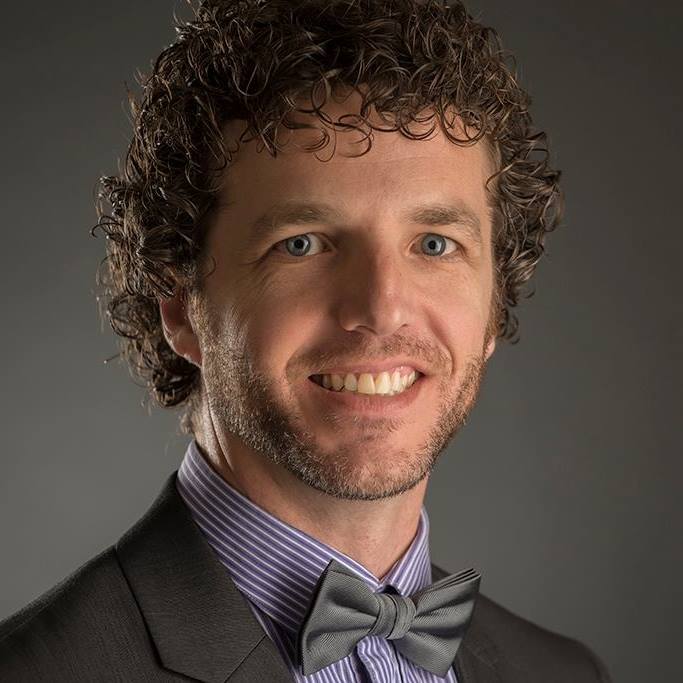
Tim Conrad, APR

President
Butterfly Effect Communications Inc.

Conrad is a public relations professional who excels in difficult and high-pressure work. He has worked in various industries, including natural resources, municipal utilities, dental services, construction, pet services, finance, and events.
Conrad has held leadership roles in emergency management, communications and post-disaster engagements in some of Canada’s largest emergencies. These include record-setting 2023 wildfires in BC’s Cariboo, Squamish-Lillooet and Columbia Shuswap regions, three record-setting British Columbia wildfire seasons from 2017 to 2021, 2024’s Chilcotin landslide, 2025’s Peace River wildfires, health care and post-secondary education during the COVID-19 pandemic, and the 2013 southern Alberta floods. His work in emergencies has been studied by academics worldwide and adopted in California, New Zealand and Australia. He is also an instructor at the Justice Institute of BC.
He received the prestigious Shield of Public Service Award from the Canadian Public Relations Society (CPRS) for his exemplary efforts during and after the 2017 wildfires and the Lamp of Service Award in 2022 for distinguished and dedicated volunteer service leading CPRS professional development nationally for nearly a decade. He is the host of the Wildfires, Floods and Chaos Communications Podcast.

Indigenous engagement and emergencies: A settler’s perspective

Hear the latest lessons as a (colonial) witness to Indigenous culture, ways, and engagement during this engaging presentation from Tim Conrad of Butterfly Effect Communications, one of Canada’s leading emergency communicators.

With experience working alongside many First Nations and Indigenous responders in British Columbia, Tim is exceptionally proud of this work in recent years. He looks forward to sharing these enriching experiences.

Expect to learn:

  • How to identify tension and listen for solutions
  • Areas where sensitivity may be needed, especially when a settler’s view is very different
  • Where mutual benefits are easily found if you lean in
  • Understanding title lands and the impact on emergency management
  • How Indigenous ways are advancing rapidly

Tim will bring his humour and experience as a public relations professional, firefighter, IAP2 facilitator and emergency manager to ICMC Vancouver. He is the President of Butterfly Effect Communications, a small public relations, public engagement, and public education company based in Kamloops, British Columbia, on the traditional and unceded territory of the Secwépemc. The company is currently working with an Indigenous health, family and justice organization on a multi-year communications, education and engagement project, while also providing disaster preparedness, response and training services throughout Canada.

Connie Hart

Founder
Koi Continuity Inc.

Connie Hart is the founder of Koi Continuity Inc., a global consulting firm, specializing in the development and implementation of risk and resilience programs from the ground up for both public and private sector organizations.  Most recently, she led the development and implementation of the Internation Civil Aviation Organization’s (ICAO) Enterprise Risk Management Program, including its risk register process, and risk training initiatives. 
 
A certified risk and resilience leader with 18 years of international experience, Connie has a proven track record in designing and delivering comprehensive risk and resilience programs aligned with global standards such as ISO 22301, ISO 31000, ISO 27001, COSO, and COBIT. 
 
Connie is also a certified ISO 22301 Lead Auditor and the instructor for the McGill University’s School of Continuing Studies/ICAO Risk Management in Civil Aviation program.  She holds multiple global certifications in risk management, emergency management, crisis communications, business continuity, IT resilience, and exercise design.  Beyond her consulting and teaching roles, Connie has authored articles in industry publications and is a frequent speaker at professional conferences.

Designing Capability: Using Diagrams to Manage Crises and Resume Operations

Organizations often mistake written plans for actual capability.  When crises hit, lengthy, text-based plans become impractical, not because planning is irrelevant, but because static plans fail under pressure.  What matters is the clarity that comes from capabilities designed in advance:  who decides, who acts, how systems and teams depend on each other, and what must be restored to keep the organization functioning.

This session shows that capability is not executed from text, but from shared understanding.  Diagrams make that understanding visible.  By modeling control, dependencies, and priorities, diagrams reduce cognitive load, enable faster decisions, and empower people to act even when information is incomplete.  Rather than replacing planning, this approach reframes it, shifting the focus from producing documents to designing resilient capability.

Blythe Price

Director, Enterprise Resilience and Crisis Management
Microsoft

Blythe Price oversees Microsoft’s global crisis readiness and response program. An experienced communications and program management professional, Blythe partners with executive leadership to proactively strengthen enterprise readiness through scenario-based planning, crisis exercises, and risk remediation. She is a trusted advisor across security, operations, and communications, driving cross-functional collaboration to safeguard Microsoft’s people, assets, and customers worldwide. In addition to leading proactive initiatives, Blythe coordinates enterprise-wide response during crisis events, ensuring seamless collaboration and effective recovery across all impacted areas. 
 

From Plan to Practice: How Simple Exercises Build Real Crisis Readiness

Effective crisis response starts with preparation, and that means exercising. This session will demonstrate how scenario-based tabletop exercises can uncover gaps, strengthen decision-making, and build organizational resilience. You’ll learn a simple, adaptable framework that makes it easy for any team to design and conduct exercises, from quick drills to full-scale simulations. Attendees will walk away with practical tools to elevate their readiness and confidence before the next disruption.

Building Resilient Organizations in an Evolving Emergency Management Landscape

This one-day workshop explores the critical challenges and opportunities facing organizations as they navigate today’s evolving emergency management landscape and the increasing complexity of crisis events. Designed for leaders, practitioners, and resilience professionals across sectors, the program blends regulatory insight, operational strategies, and human-centered approaches to strengthen preparedness and response.

Key Areas of Focus

At ICMC West, you’ll dive into the most pressing challenges shaping today’s emergency management landscape. From legislative change and regulatory compliance to supply chain disruptions, crisis communications, and site resilience, our sessions provide practical strategies to strengthen preparedness and response. With insights on leadership under pressure, reputation management, and Indigenous engagement, you’ll gain the tools and perspectives needed to build stronger, more resilient organizations.

Legislative Change & Industry Implications

Gain clarity on new provincial emergency management requirements, with a focus on critical infrastructure definitions and how businesses and municipalities can adapt their programs.

Crisis Communications & Public Trust

Explore proven strategies for effective emergency messaging, misinformation management, and stakeholder engagement when standard communication systems fall short.

Infrastructure & Site Resilience

Understand how to assess and protect facilities, mitigate violence and threat risks, and safeguard operational continuity in high-stakes environments.

Business Continuity Integration

Learn why aligning continuity planning with emergency management structures is essential, and how to prepare for disruptions ranging from environmental incidents to operational shutdowns.

Supply Chain Disruptions

Examine the ripple effects of strikes, blockades, or port closures, and explore practical approaches to crisis-level logistics and workarounds.

Regulatory Compliance

Break down Environmental Emergency (E2) obligations and explore tools for meeting compliance requirements while integrating them into broader risk frameworks.

Reputation & Stakeholder Management

Recognize the reputational stakes in crisis events and explore how strategic communication and engagement can protect and restore trust.

Indigenous Engagement

Build awareness of Indigenous-led emergency management practices and learn how to respectfully integrate Indigenous perspectives into preparedness and recovery planning.

ICMC West – Vancouver

Event Details

When: March 12th, 2026

Agenda:

  • 7:30: Check in
  • 8:00 – 12:00:  Morning sessions
  • 12:00 – 1:00: Lunch
  • 1:00 – 4:30: Afternoon sessions
  • 4:30 – 6:00: Networking cocktails

Where: Vancouver, Canada – Marriott Pinnacle
Refund Policy: Refunds will not be granted for cancellations made within 30 days of the event. Requests submitted more than 30 days in advance will be processed, minus any applicable administrative fees. In the unlikely event that ICMC cancels an event, all registered participants will receive a full refund.

$495.00

Register for the workshop.

Category: ,

ICMC Members save 30%

Become an ICMC Member for $99 a year and save $148 off your ticket.

Add Membership to your cart and get the discount at checkout.
Overnight Accommodations

Stay where the event happens at the Marriott Pinnacle Downtown Vancouver and enjoy a special ICMC discounted rate. Reserve by February 11th to secure the group rate before it expires.